Vino-Club For Wine Lovers
Related Articles
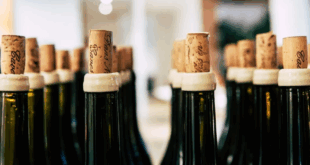
Alcohol-free wines have moved from niche novelty to mainstream choice, appearing on restaurant menus, supermarket shelves, and at celebratory tables around the world. Driven by health-conscious consumers, changing social norms, and improved production techniques, these wines are reshaping the idea that wine must contain alcohol to be enjoyable.
What Are Alcohol-Free Wines?
Alcohol-free wines begin life as traditional wines. Grapes are harvested, fermented, and aged in much the same way as conventional wine. The key difference comes at the final stage, when the alcohol is gently removed, typically through processes such as vacuum distillation or reverse osmosis. These methods aim to preserve the wine’s aroma, structure, and flavor while reducing the alcohol content to 0.5% ABV or less (and in some cases, 0.0%).
This distinction is important: alcohol-free wine is not the same as grape juice. It retains the complexity, acidity, and character developed during fermentation, making it a closer alternative to traditional wine.
Why Alcohol-Free Wines Are Becoming Popular
Several cultural and lifestyle shifts have fueled the rise of alcohol-free wines.
Health and wellness are major factors. Many consumers want to reduce alcohol intake while still enjoying the rituals of wine—pouring a glass, pairing with food, and savoring nuanced flavors. Alcohol-free wines offer a way to participate without the effects of alcohol, such as disrupted sleep or next-day fatigue.
Social inclusivity also plays a role. Whether due to pregnancy, medication, religious reasons, or personal choice, not everyone drinks alcohol. Alcohol-free wines allow more people to feel included in social and celebratory moments.
Finally, quality has improved dramatically. Early alcohol-free wines were often criticized for tasting thin or overly sweet. Modern techniques and better base wines have led to far more balanced and sophisticated options.
How Do They Taste?
Taste is where opinions vary most. Alcohol contributes body, warmth, and mouthfeel to wine, so removing it can change the experience. Alcohol-free wines often feel lighter on the palate, with more pronounced acidity.
Sparkling alcohol-free wines tend to perform especially well, as bubbles add texture and liveliness that compensate for the absence of alcohol. Whites and rosés also translate better than many reds, though producers are increasingly experimenting with oak, tannin management, and blending to improve alcohol-free red wines.
The best approach is to judge alcohol-free wines on their own terms, rather than as exact replicas of their alcoholic counterparts.
Pairing Alcohol-Free Wines with Food
Alcohol-free wines can still pair beautifully with food, sometimes even more easily than traditional wines. Their lower intensity and higher acidity can complement lighter dishes such as salads, seafood, vegetable-based meals, and soft cheeses.
Sparkling alcohol-free wines work well as aperitifs or with salty foods, while aromatic whites pair nicely with spicy or herb-driven cuisines. When pairing, focus on balance—acidity, sweetness, and texture—rather than alcohol content.
Who Are Alcohol-Free Wines For?
Alcohol-free wines appeal to a wide and growing audience. They suit people taking part in initiatives like Dry January, those practicing mindful drinking year-round, and anyone who wants to enjoy wine flavors without alcohol’s effects. They’re also increasingly chosen in professional settings, weekday meals, or situations where clarity and alertness matter.
Rather than replacing traditional wine entirely, many consumers see alcohol-free wines as an additional option—something to enjoy alongside, rather than instead of, alcoholic choices.
The Future of Alcohol-Free Wine
The alcohol-free wine market continues to expand, with investment, innovation, and experimentation driving rapid progress. As producers refine techniques and consumers become more open-minded, the gap between alcoholic and alcohol-free wine experiences is narrowing.
Alcohol-free wines represent a broader shift in drinking culture—one that values choice, balance, and inclusion. As quality continues to improve, they are likely to become a permanent and respected part of the wine world, not just a temporary trend.
In redefining what wine can be, alcohol-free wines offer something increasingly valuable: the pleasure of the wine experience, without the alcohol.